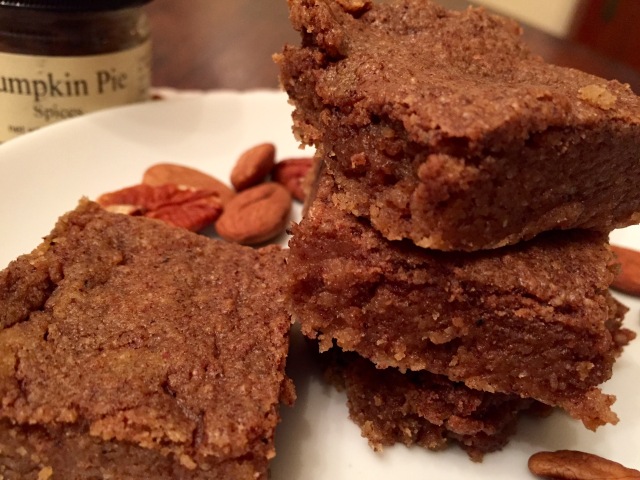
Pumpkin Spice Butterscotch Blondies (Low carb, sugar free, gluten free, dairy free)

FullSizeRender2

I think I may fit the criteria for a basic fall girl. I realized this recently while excitedly purchasing a seasonal caramel apple tea and babbling endlessly about the brisk autumn air and oversized sweaters.

Witnesses have confirmed I appeared to be wearing leggings and a puffy faux-fur lined vest at the time.

It was, then, no surprise that the notorious pumpkin spice essentially took over my entire life and has continued well into the winter, which brings us now to this fine recipe featuring all the seasonal elements you JUST MIGHT EXPECT FROM ME. You can take the girl out of the fall, but you can’t take the fall out of the girl.

But of course, with some extra credit: grain free, sugar free, low carb, easily made dairy free, with healthy fats and proteins from both almond flour and almond butter!

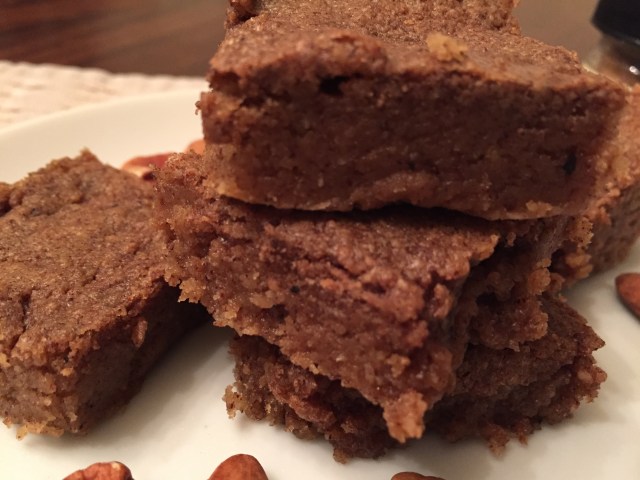
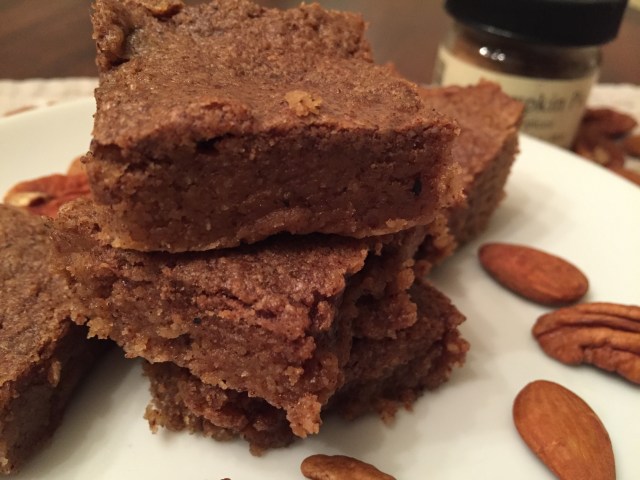
What we got here is some dense, gooey, butterscotch-y blondies featuring notes of cinnamon, ginger, and nutmeg – I regret nothing!! And actually, go make this. You probably won’t regret anything either.
IMG_4547

Pumpkin Spice Butterscotch Blondies (Low carb, sugar free, gluten free, dairy free)

Recipe adapted from All Day I Dream About Food

Yields: around 30 squares

Ingredients: 

2 cups almond flour
2 tsp pumpkin spice mix
1 tsp baking soda
1/4 tsp salt
1 cup natural almond butter (or any mild-flavored nut butter)
1/2 cup butter or coconut oil, softened (Earth Balance Buttery Sticks or Melt Organic Spread would also work for dairy free)
1 cup sweetener (I use Swerve)
4 large egg whites, or just under 3/4 cup
1/2 tsp vanilla extract
1 – 1 1/2 tsp butterscotch extract (I use Frontier)
1/2 tsp liquid stevia extract (I use Sweetleaf)

Optional:
1 tbsp sugar free brown sugar substitute (like this)
1 tsp maple or molasses flavoring OR 1 tbsp blackstrap molasses

Directions:

Preheat oven to 325°F and grease a 9×13 inch baking pan.

In a medium bowl, whisk together almond flour, pumpkin spice, baking soda and salt.
FullSizeRender

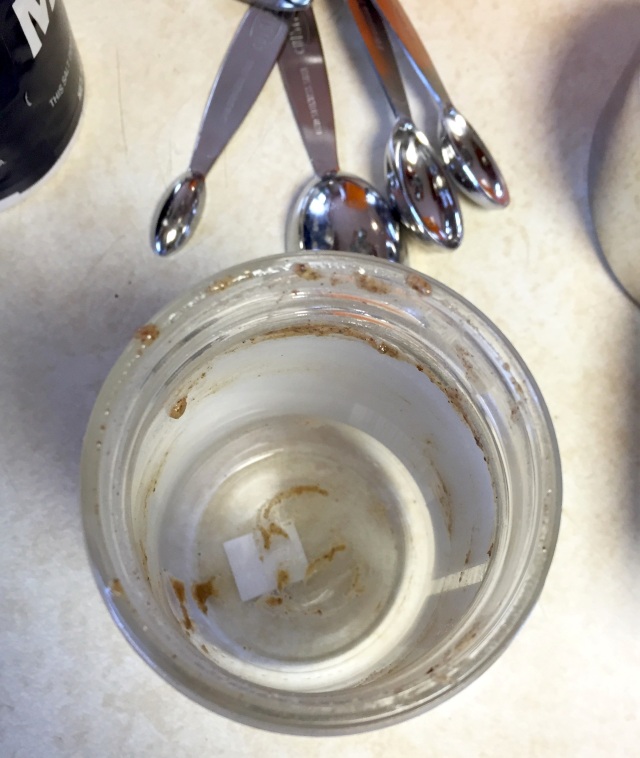
WASTE NOT.

In a large bowl, beat almond butter, butter and sweetener until smooth and well combined.

Beat in egg whites, vanilla, butterscotch and stevia extracts until well combined.

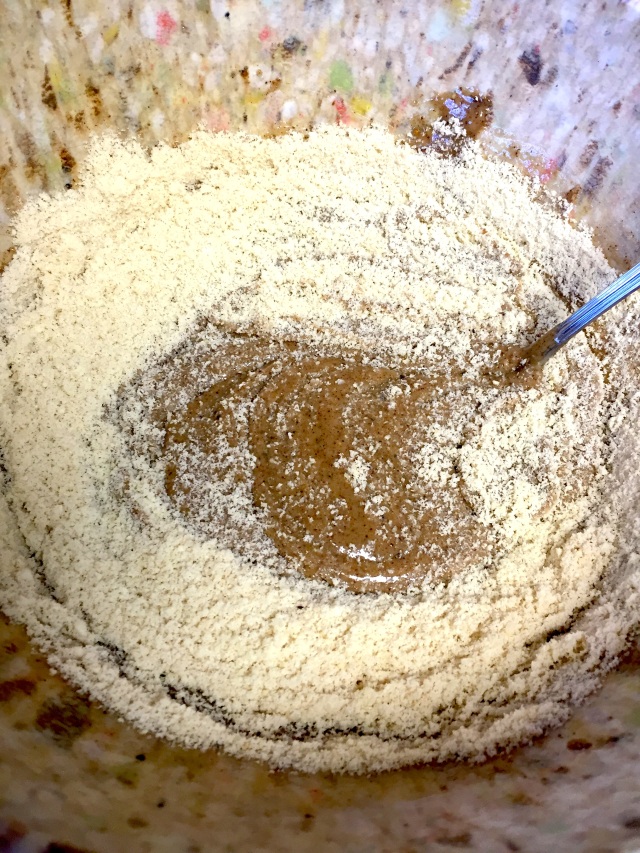
Beat in almond flour mixture until fully incorporated; spread mixture in prepared baking pan and smooth the top with a knife or an offset spatula.
IMG_4527

Stirring this counted as my entire year’s worth of arm reps.

Bake 25 to 30 minutes (less for a gooey consistency, more for a cakier consistency), until just set. I’ve found that the edges will be done before the center, which is fine – they’ll just be a little lighter and cakier.

Remove and let cool at least 30 minutes before cutting and serving.
IMG_4543

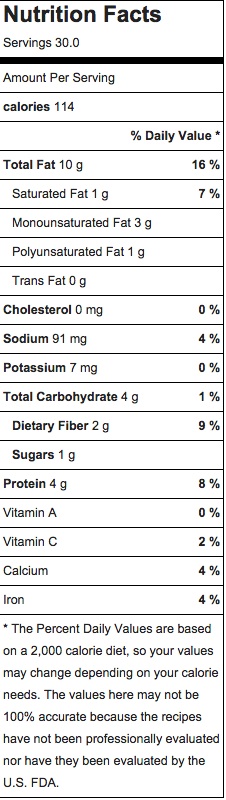
Nutritional Info:

Calculated with 1 tbsp brown sugar substitute, without molasses.
Screen Shot 2015-12-29 at 4.35.30 AM

Find me all over the web!
Instagram  follow_on_tumblr_icon_button_and_html_code_by_tumblrfollow-d7gpci1_zpsrbhjgpxa


Scholarly Speculations: New Federal Dietary Guidelines – The Good, The Bad, and The…Sugary?

New federal dietary guidelines announced on Thursday urge Americans to drastically cut back on sugar, and for the first time have singled out teenage boys and men for eating too much meat.

Source: New Dietary Guidelines Urge Less Sugar for All and Less Protein for Boys and Men – The New York Times

Sometimes I think I’ve got a real beef with the Department of Health and Human Services. (Eh? EHH?? GET IT? BECAUSE BEEF–ok.)

I think the main issue is here is trying to prescribe a One Size Fits All diet to an incredibly vast, diverse population like the great melting fondue pot of America. The FDA or HHS puts out new guidelines and then everyone panics because it bears no resemblance whatsoever to their own diet. And then come in the complaints and lawsuits from the Eat Seven Hamburgers A Day lobbyists, who say that 64 oz. of beef in one sitting isn’t bad for everyone, it’s actually good for everyone! Because of a study they sponsored! And let’s not even mention the Vegans Who Won’t Eat Anything Cooked Over 117° club.

It’s easy to demonize one particular thing to get your point across. Take saturated fat, for example. These most recent guidelines recommend consuming “less than 10 percent of calories per day from saturated fats”. This isn’t new. Saturated fat has pretty much been the ugly stepsister of “monounsaturated” and “polyunsaturated” fats for years. Get it pounded into your head long enough, and why wouldn’t you believe there’s nothing redeemable whatsoever about saturated fat?

But not all saturated fat is the same (coconut oil, anyone?). And what about all of these large, exhaustive studies showing no evidence of saturated fat increasing heart attacks or other cardiac events? HMMM. The same goes for limiting cholesterol, or sodium – I could go on.

But you have to look at things individually (how does saturated fat fit into your personal dietary needs?), understand that no one dietary element exists alone in a vacuum (saturated fat often accompanies good animal sources of protein, or calcium in cheeses), and make an informed decision from there.

That being said, I don’t mean to vilify this entire study – high fives all around for FINALLY recommending we limit added sugars. That’s a great start! While it’s important to be cognizant of all sugars present in a food, added sugars are especially nefarious. I mean, America really likes adding sugar to everything. Your peanut butter, your mayo, even your friggin’ CHICKEN STOCK. Seriously. We add sugar to so much crap that a fresh orange off the shelf doesn’t taste “sweet” enough. So we grab an Orange Fanta instead. It’s not even our fault – it’s just what we’re used to.

Sugar, like all carbohydrates, are the body’s easiest source of fuel. When you need a midday pick me up, you might reach for something with easily digestible carbs to give you a quick boost. Simple carbs are also found in fruits, veggies, and dairy products. But these have fiber (the good stuff!) and protein that slow the process. Syrup, sodas, that Snickers bar – they don’t have those. Their sugar is added, goes directly to your brain’s reward center, and half an hour later provides a thrilling sugar crash that has you craving even more sugar. So fun!! And useful!! Definitely what you wanted!!!

And it’s easy to hide added sugars in plain sight. For example: you decide to try some almond milk. You’ve heard all the good stuff: high in calcium, lower calories, healthy fats. So you grab a half-gallon of the ‘Original’ variety, smugly pour yourself a glass, and then take a look at the ingredients: almonds, water, evaporated cane juice…

–WAIT A MINUTE. THAT’S SUGAR. Just because it’s hiding behind another fancy alias, it’s still sugar. Dextrose, cane syrup, maltodextrin – all of those are sugar, even if it doesn’t directly call it that. Almonds have naturally occurring sugar, yes. But this was added. Why? Because we can, apparently.

So keep an eye out for ‘unsweetened’, or ‘no sugar added’ varieties – and in the meantime, a study like this might change the way we label our foods. And heck, grab that Snickers if you really want it. Just know exactly how it can affect you, and go from there.

And finally, yes – teenage boys could probably benefit from occasionally switching out that hamburger for a salad. Sorry about that, Eat Seven Hamburgers A Day lobbyists. Better luck next time?